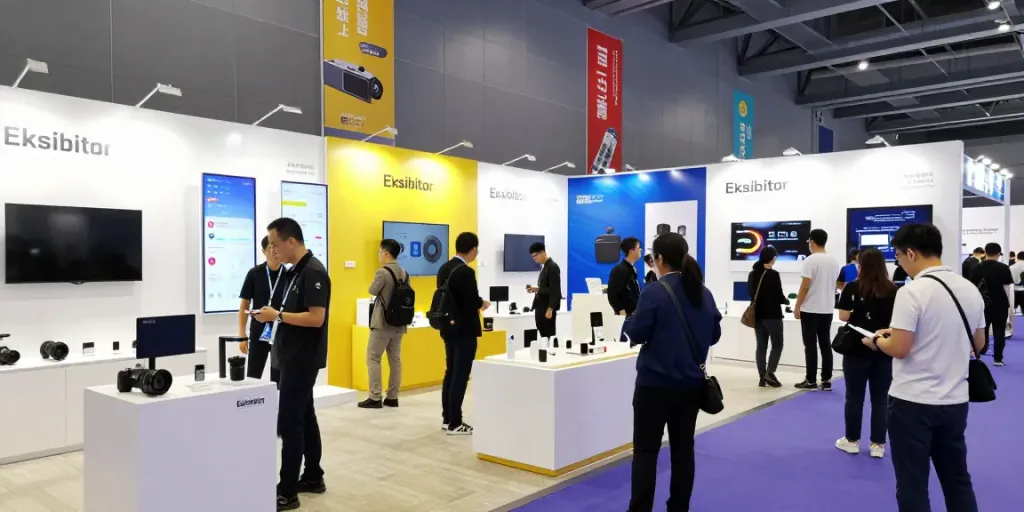
Understanding the Role of an Eksibitor
The role of an Eksibitor is multifaceted and pivotal in the world of exhibitions and trade shows. These professionals are responsible for representing their companies and showcasing products or services to potential clients and partners. In 2026, the significance of eksibitors has only escalated as industries recognize the importance of face-to-face interactions in a digital-dominated landscape. When exploring options, Eksibitor play a crucial role in bridging the gap between businesses and consumers, making their participation vital for success in various trade environments.
Definition and Importance of Eksibitors
An eksibitor is an entity or individual that displays or presents products or services at exhibitions, trade fairs, or similar events. The importance of eksibitors cannot be overstated; they serve as direct representatives of their brands, offering potential clients an opportunity to engage with the products in a physical space. At exhibitions, eksibitors can capitalize on various marketing opportunities, converting interactions into meaningful business relationships and sales opportunities.
Common Misconceptions About Eksibitors
Many people assume that the role of an eksibitor is merely about setting up a booth and waiting for attendees to visit. However, this perception is overly simplistic. While booth presentation is important, effective eksibitors must also engage in meticulous planning and strategizing prior to the event, understand their target audience, and develop compelling narratives that will resonate with visitors. Misconceptions also extend to the idea that participation alone guarantees success; in reality, a proactive approach and strategic engagement are key.
Types of Eksibitors in Various Industries
Eksibitors can be categorized based on the industries they represent. Common types include:
- Product Exhibitors: Businesses showcasing physical goods, such as electronics, automobiles, or fashion.
- Service Providers: Companies that offer services, such as consulting or financial advice, often focusing on engaging networking opportunities.
- Technology Exhibitors: Firms that present innovations in technology, often incorporating demos to engage attendees.
- Non-Profit Organizations: Groups showcasing social causes, often aiming to raise awareness or funds.
Key Responsibilities of Eksibitors
Preparation and Planning for Exhibitions
Preparation is critical for eksibitors. Engaging in thorough research about the exhibition and understanding attendee demographics can inform decisions such as booth design, product placement, and marketing materials. Scheduling pre-event promotions—like social media announcements or email blasts—also plays a pivotal role in driving traffic to the booth on event day.
Engagement Strategies for Attracting Visitors
Once on-site, engagement strategies take center stage. Successful eksibitors employ a range of tactics, including interactive demonstrations of products, engaging presentations, and promotional giveaways. Beyond physical attractions, creating an inviting atmosphere that encourages dialogue is essential for capturing the attention of visitors and facilitating meaningful conversations.
Follow-Up and Lead Management Techniques
Post-event, eksibitors must prioritize follow-up processes to maximize the value of leads generated during the exhibition. This includes timely follow-ups through personalized emails or calls, nurturing relationships, and leveraging insights gained during the event to adapt marketing strategies. Utilizing CRM tools can help manage leads and track progress effectively.
Common Eksibitor Mistakes to Avoid
Neglecting Pre-Event Marketing Efforts
One of the most significant mistakes eksibitors make is failing to prepare a robust pre-event marketing plan. Without adequate awareness generated beforehand, potential visitors may be unaware of the company’s presence at the event, leading to underwhelming results and missed opportunities.
Inadequate Booth Design and Layout
Another common error is poor booth design, which can deter foot traffic. A cluttered or uninviting booth fails to attract visitors, highlighting the importance of an aesthetically pleasing and strategically organized space that encourages exploration and interaction.
Poor Communication with Attendees
Effective communication is crucial in engaging attendees. Eksibitors who fail to provide clear, informative interactions or who are unapproachable may miss opportunities to connect with prospects. Training staff to be knowledgeable and approachable can mitigate this risk.
Best Practices for Successful Exhibition Participation
Creating a Captivating Booth Experience
To draw in attendees, eksibitors should create an engaging booth experience. This can include live demonstrations, interactive displays, and comfortable spaces for discussions. Incorporating technology, such as augmented reality or virtual reality elements, can further enhance visitor interaction and leave a lasting impression.
Effective Networking Techniques
Networking is key for eksibitors. Building connections with other exhibitors, industry professionals, and even competitors can yield valuable insights and potential collaborations. Attending networking events or industry workshops during the exhibition can also foster these relationships.
Leveraging Technology to Enhance Engagement
In 2026, technology is more integral than ever for eksibitors. Websites, social media, mobile apps, and virtual platforms can enhance reach and engagement. Utilizing tools like QR codes for easy access to information or digital business cards can streamline interactions and maintain sustainability in operations.
Future Trends for Eksibitors in 2026 and Beyond
Emerging Technologies Impact on Exhibitions
The future of exhibitions is being shaped by emerging technologies such as artificial intelligence, virtual and augmented reality, and data analytics. These technologies enable eksibitors to create immersive experiences, gather extensive attendee data, and refine their strategies based on real-time insights.
Sustainable Practices for Modern Exhibitors
With growing environmental awareness, sustainability is becoming paramount for eksibitors. Adopting eco-friendly materials, reducing waste, and implementing sustainable practices in booth design and operation can appeal to environmentally conscious consumers and enhance brand reputation.
Forecasting Visitor Expectations and Needs
As consumer preferences evolve, eksibitors must stay ahead by anticipating attendee expectations. This means leveraging data to understand what visitors desire—from product demonstrations to personalized experiences—and adapting offerings accordingly to meet those needs effectively.
What are the key benefits of being an Eksibitor?
Participating as an eksibitor offers numerous advantages, including increased brand visibility, direct access to potential clients, and opportunities for lead generation. Furthermore, exhibitions facilitate valuable market feedback and foster relationships that can lead to partnerships and collaborations.
How can Eksibitors effectively measure their success?
Success measurement for eksibitors can include analyzing lead quantity and quality, assessing booth traffic, and evaluating attendee engagement metrics. Surveys and post-event feedback can also provide insights into the effectiveness of their strategies and areas for improvement.
What technologies should be integrated into an exhibition booth?
Modern eksibitors should consider incorporating touchscreens, virtual reality displays, and interactive kiosks to engage attendees. Additionally, implementing lead retrieval systems can streamline data collection and follow-up processes.
What are the trends shaping the future of exhibitions?
Key trends include the increased importance of sustainability, the integration of advanced technologies, and a focus on personalized visitor experiences. Understanding these trends will be critical for eksibitors looking to maintain a competitive edge.
How to prepare for an exhibition effectively?
Effective preparation involves setting clear goals, conducting thorough research, developing a marketing strategy, and ensuring the booth design aligns with the brand’s image. Additionally, training staff to be knowledgeable and personable can greatly enhance the overall experience for visitors.